Six Sigma Yellow Belt Certification
You are one decision away from a great career.
Six Sigma Yellow Belt eLearning and Certification Exams
90-day Access: P1,200.00 (Limited Offer)

ARE THERE PREREQUISITES?
- There is no formal prerequisite for this course.
- Anyone with or without Six Sigma experience may enroll.



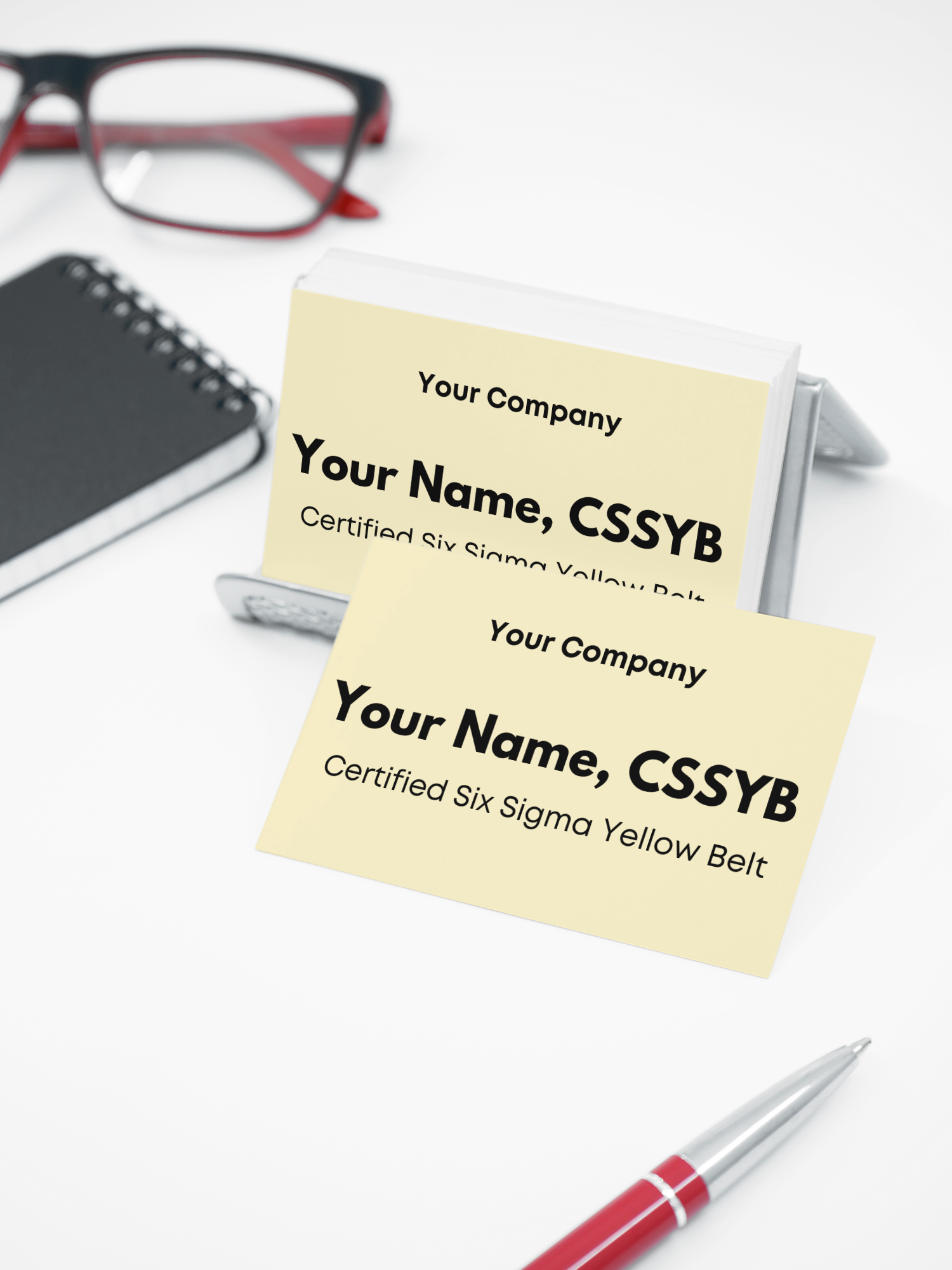
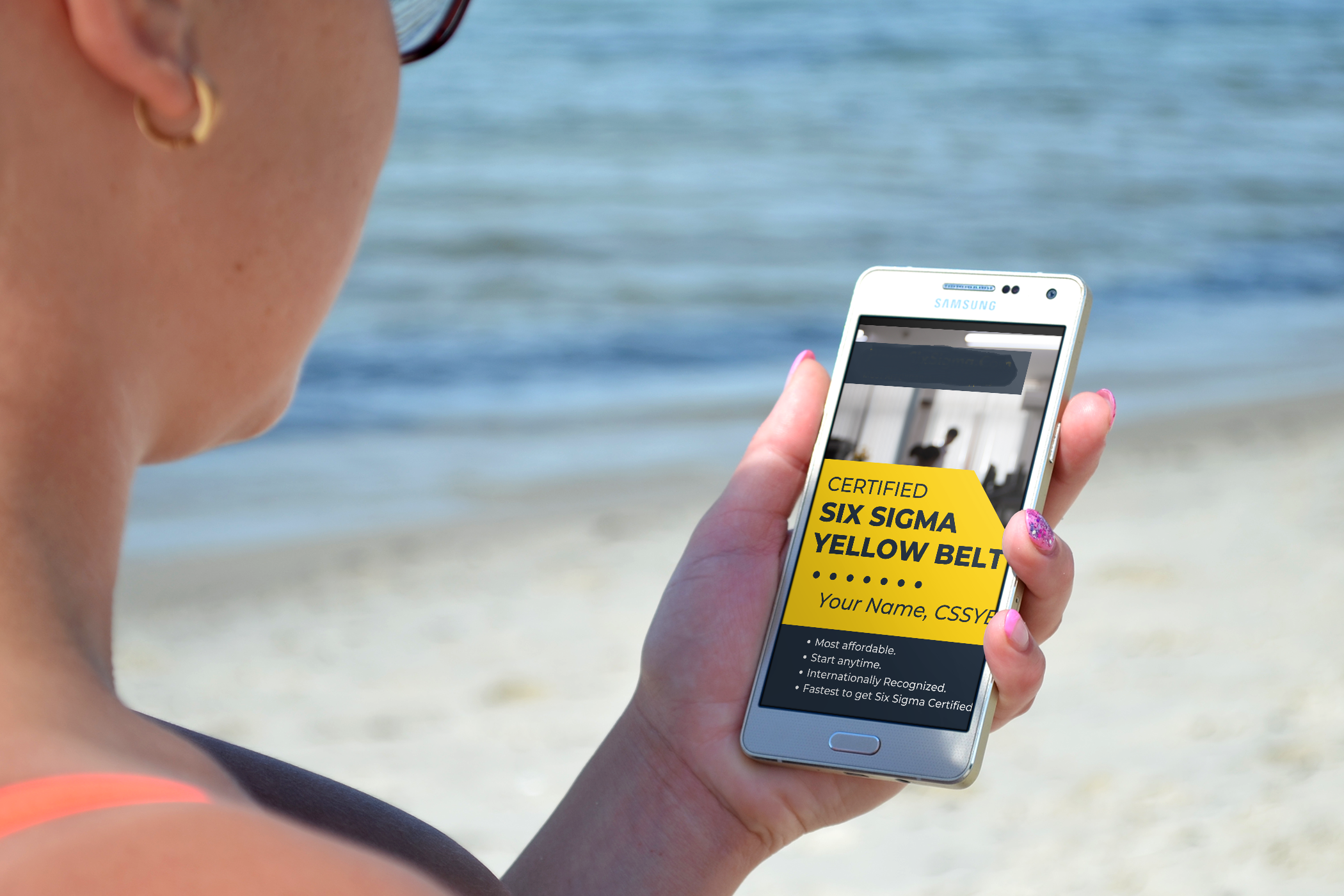
WHAT'S IN IT FOR YOU?
Learn Six Sigma Yellow Belt concepts, tools, and frameworks that make you stand out, be valued, and feel fulfilled at work.
OVERVIEW
- The Six Sigma Yellow Belt Certification training of eLearningASEAN is tailored to help anyone interested to know what Six Sigma is, learn key concepts in Six Sigma, and understand how the Six Sigma method works in improving quality and reducing defects. The Six Sigma Yellow Belt exam aims to confirm your basic knowledge of Six Sigma.
- This is the full, completely online Six Sigma Yellow Belt course offering the student an overall insight into the techniques of Six Sigma, its metrics, and basic improvement methodologies. A Yellow Belt participates as a core team member or subject matter expert (SME) on a project or project. Six Sigma Yellow Belt training introduces process management and the basic tools of Six Sigma.
- This course is ALIGNED with the internationally accepted ASQ (American Society for Quality) Body of Knowledge.
RECOMMENDED FOR
- Everyone in the organization would like to learn the fundamentals of Lean Six Sigma, its methodology, and its tools.
- A Green Belt or Black Belt program is more appropriate if you lead or manage process improvement projects.
WHY PROFESSIONALS CHOOSE THIS COURSE?
- Professionals who would like to understand the language of Lean Six Sigma, its methodology, and basic tools know when and how to apply them.
- Professionals who would like to learn how to analyze processes and identify areas for improvement.
- Learn process mapping, cause and effect, and FMEA.
ARE THERE PREREQUISITES?
- There is no formal prerequisite for this course.
- Anyone with or without Six Sigma experience may enroll.
WHAT IS INCLUDED IN THIS COURSE?
- 90-DAY access to the Lean Six Sigma Yellow Belt Training
- Six Sigma Yellow Belt Exams
- Training Handouts PDF
- Six Sigma tools: Templates and Worksheets
- Downloadable Digital Certificate (No printed option)
HOW TO START?
- Enroll (You may pay via Credit Card, Paypal, BPI, Gcash, Maya).
- Receive your login credentials and Start Your Online Learning.
- Take the certification Tests at the end of each chapter and earn your Six Sigma Yellow Belt certification upon 100% course completion (within 90 days access).
HOW SOON CAN I FINISH AND EARN MY SIX SIGMA YELLOW BELT CERTIFICATION?
Past students have completed the program and have been certified in less than a day to 3 days. Time would depend on the time you commit to the program. There is no deadline when for completing the course, but we highly recommend you complete it within seven days.
You may complete the course within the 90-day period after issuance of the course credentials.
EXAMINATIONS
Each certification candidate must pass a written examination consisting of multiple-choice questions that measure comprehension of the body of knowledge. The CSSYB examination is taken on each chapter. You need a score of 57points out of 75 points to be certified. Retakes are free. Make sure you watch and take notes before taking the chapter tests.
Six Sigma Yellow Belt Curriculum
Earn Your Six Sigma Yellow Belt Certification Today
Pay Using Gcash, Maya, or BPI
SIX SIGMA YELLOW BELT: P1,500.00
INSTRUCTIONS:
- Scan the QR code (using Gcash, Maya, BPI, others) and pay the course fees.
- Email the payment confirmation, FULL NAME, and EMAIL of the student to take the course. Send to ask@elearningasean.com
- Please give us 1 to 3 days to process (Usually it takes only one business day). We'll send the student the course credentials.